


Vape Shop Hemp Product Strategy for 2026
Updated August 1, 2026
Vape shops considering hemp-derived products in 2026 should treat the category as a controlled inventory project, not an automatic growth strategy. The immediate goal is to identify products your business may sell, verify what is actually in stock, review the available documentation, and avoid inventory commitments that extend beyond a changing regulatory window.
Federal update — last reviewed August 1, 2026: A federal amendment is scheduled to narrow the statutory definition of hemp on November 12, 2026. The change is not a blanket ban on every hemp product, but it is expected to remove many cannabinoid products from the federal hemp definition. State and local rules can be stricter and may change sooner.
Start with the products you can document
Before evaluating price or packaging, record these details for every SKU:
- brand and manufacturer;
- product type, size, flavor or strain, and units per display;
- ingredient and cannabinoid information shown on the label;
- available certificate of analysis or manufacturer test report;
- batch or lot match, when a usable identifier is present;
- current inventory and realistic sell-through period; and
- the jurisdictions in which your business intends to offer the product.
A report for a different lot may be useful background, but it should not be described as proof of the current batch. A potency-only report also should not be called a full-panel report.
Build a short-cycle assortment
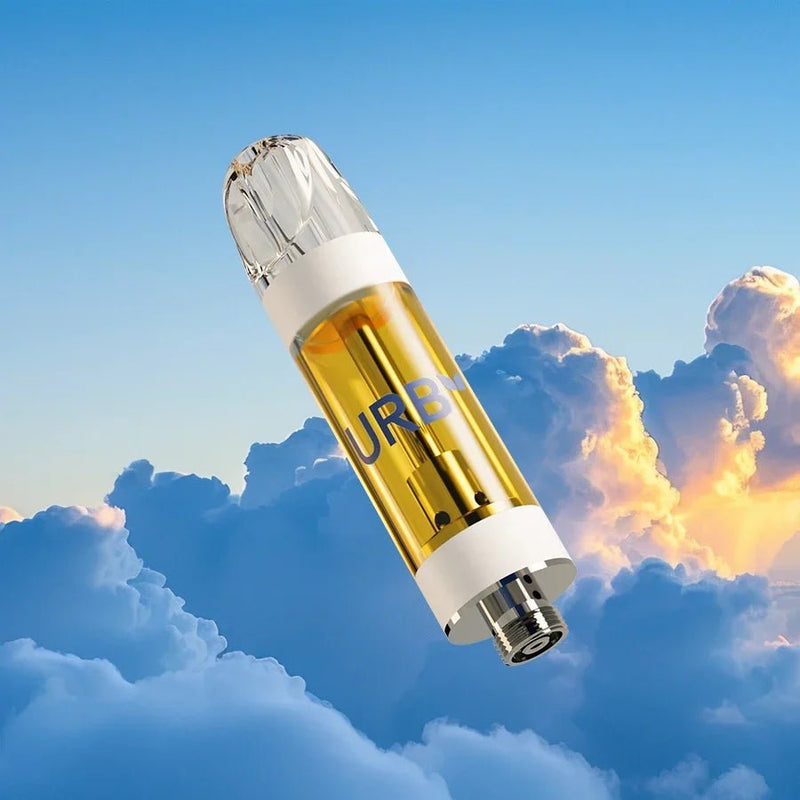
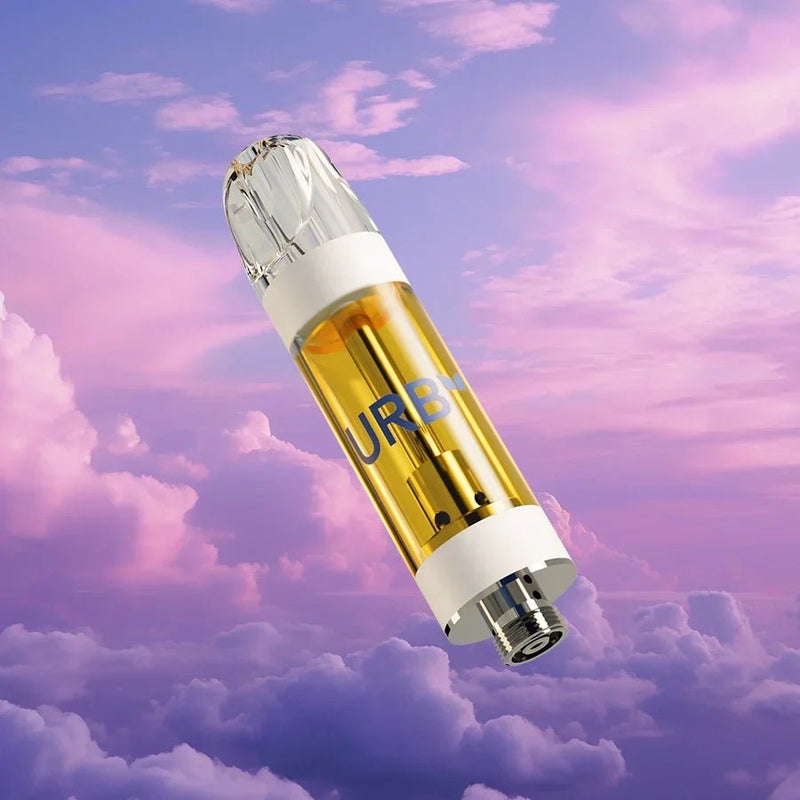
Start with a small number of clearly differentiated items instead of buying every available format. Compare vapes, disposables, cartridges and pods, and non-vape formats on case quantity, landed cost, reorder availability, shelf space, and documentation.
Use current stock data when merchandising. In-stock products should appear first in collections and featured areas. Sold-out products may remain published for search continuity, but they should not occupy homepage or top merchandising positions.
Plan backward from November 12
For cannabinoid products that may be affected by the new federal definition, calculate the last responsible reorder date from normal weekly sell-through—not from the maximum quantity a supplier will sell. Avoid large custom packaging runs, long lead-time commitments, or automatic reorders that could leave inventory on hand near the effective date.
Create a weekly transition report with five fields: units on hand, units sold in the last four weeks, weeks of supply, documentation status, and a stop/review date. Escalate uncertain products to qualified counsel instead of relying on a supplier's blanket legality statement.
Make the product page answer buyer questions
Every featured product should show the correct image, current stock state, package configuration, brand, product description, and available testing document. Do not use medical benefits, smoking-cessation claims, universal legality claims, or an expired countdown to create urgency.
For current assortment questions, browse Shop by Product, review shipping information, or contact HempWholesaler.
Related deadline guide: Read November 2026 Hemp “Ban”: What Wholesale Buyers Should Stock Now for the current-law summary, sell-through formula, and in-stock buying plan.
This article provides general business information, not legal advice. Federal, state, and local requirements can differ and change. Confirm the rules that apply to your business and products before ordering or selling.